Portfolio

How I Approach Marketing Analytics

While every business is different, the foundation of strong marketing performance is always the same: clear data, thoughtful analysis, and strategic action.

The examples below show how I approach marketing analytics for ecommerce brands. Each case study walks through how I would evaluate performance, identify opportunities, and provide recommendations designed to improve efficiency, clarity, and growth.

My focus is not just on reporting numbers, but on uncovering insights that lead to better decisions and measurable results.

Case Study 01

Marketing ROI Diagnostic for an Ecommerce Brand

Scenario: An ecommerce brand is investing in paid ads, email marketing, and social media, but is unsure which channels are truly driving revenue and where budget is being wasted.

Approach:

  • Analyzed channel performance across paid ads, organic traffic, and email campaigns
  • Reviewed conversion rates, cost per acquisition, and return on ad spend
  • Identified inconsistencies between traffic volume and revenue contribution
  • Evaluated how different channels supported the customer journey

Key Insights:
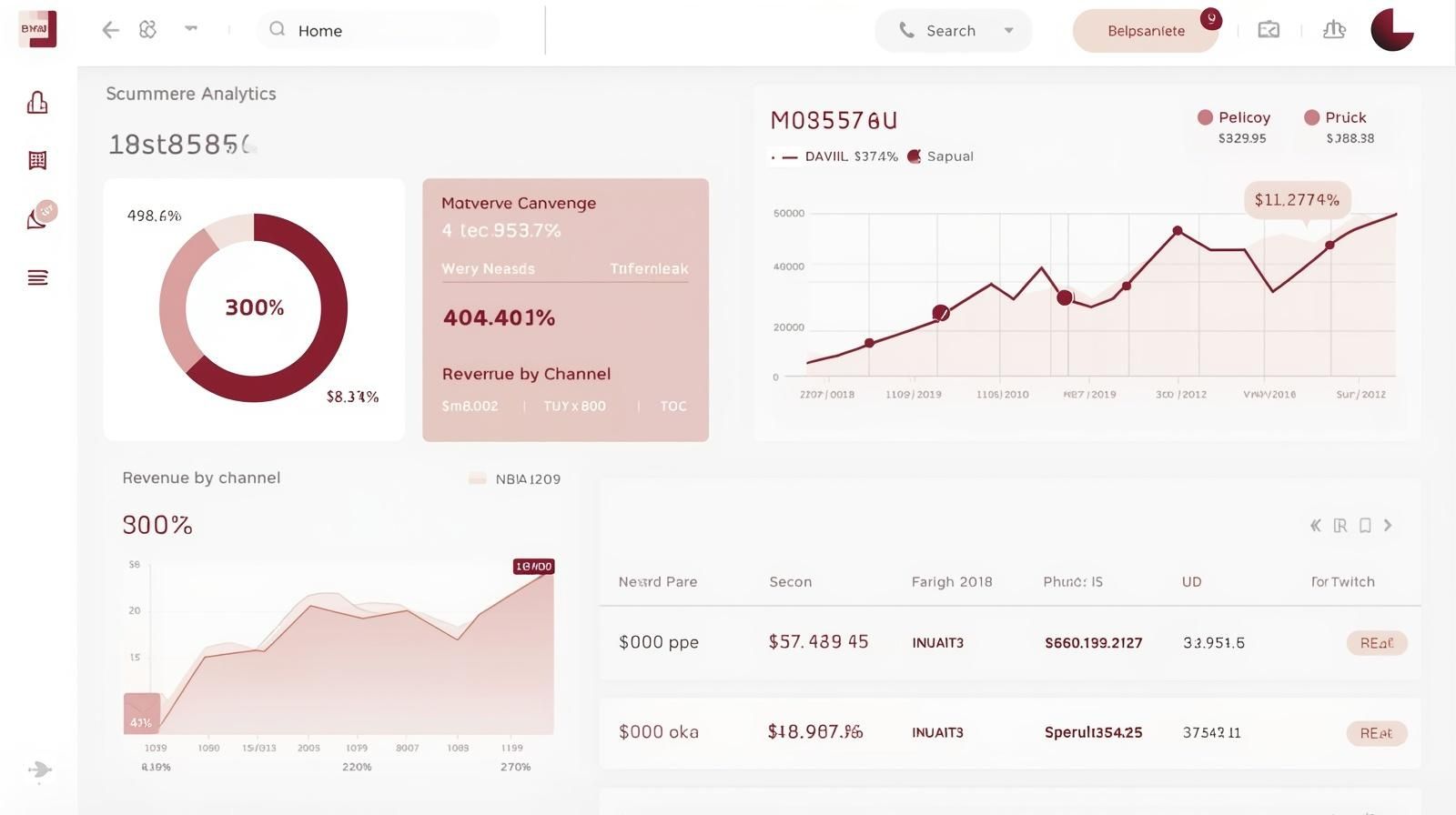
  • High ad spend on underperforming campaigns with low conversion rates
  • Email marketing driving strong repeat purchases but underutilized
  • Organic traffic contributing to awareness but not optimized for conversion

Strategic Recommendations:

  • Reallocate budget toward higher-performing campaigns and audiences
  • Strengthen email flows to increase customer lifetime value
  • Optimize landing pages to improve conversion rates from existing traffic

Expected Outcome: Improved return on ad spend, better budget efficiency, and a clearer understanding of which marketing efforts drive the most value.

Example Insight:

Paid ads driving 70% of spend but only 40% of revenue → opportunity to reallocate budget.
Case Study 02

Audience Insight Analysis for an Ecommerce Brand

Scenario: An ecommerce brand is generating traffic but struggling with engagement and conversion, indicating a disconnect between messaging and audience expectations.

Approach:

  • Analyzed customer behavior across website interactions and purchase patterns
  • Segmented audiences based on engagement, purchase frequency, and product interest
  • Reviewed messaging across ads, product pages, and email campaigns
  • Identified gaps between audience intent and brand communication

Key Insights:

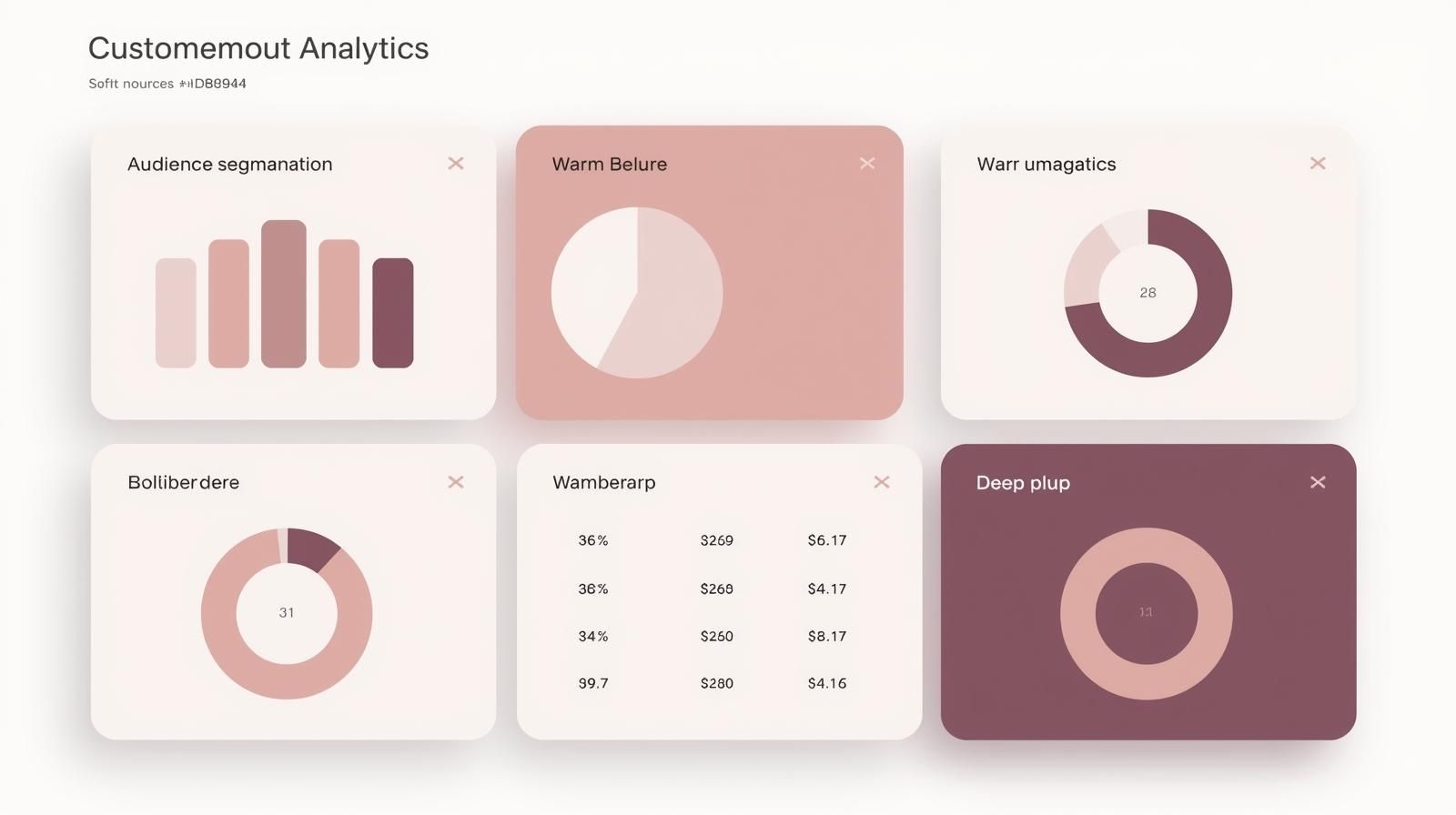
  • Different audience segments responding to different value propositions
  • Messaging too broad, leading to weak engagement
  • High-intent users not being effectively nurtured toward conversion

Strategic Recommendations:

  • Refine messaging to better align with specific audience segments
  • Create targeted content for different stages of the customer journey
  • Improve product page clarity to better match customer expectations

Expected Outcome: Stronger engagement, improved conversion rates, and more effective communication with the right audience at the right time.

Example Insight:

Messaging not being leveraged toward the right audience → opportunity to increase conversions.

Next Step

Let’s Apply This to Your Business

These examples reflect how I approach marketing analytics, but every business has its own unique challenges and opportunities. If you are ready to better understand your performance and identify where to focus next, I would love to help.

Get Insights for Your Business

Let’s talk through your data, your goals, and your next growth opportunity.